

What acupoint embedding means in TCM
Acupoint embedding is the name used here for a Chinese medicine service that places it in a weight-management consultation context. The words identify the approach and its TCM setting; they do not describe a cosmetic procedure, a facial treatment, or a product sold for home use. People often arrive having seen several versions of the name online, including thread embedding, acupuncture embedding, or tcm acupoint embedding. Starting with the service name helps make the right enquiry before a visit is arranged.
At TCM Weight Lab, the service is offered in full-body and local formats. “Local” describes a body concern that can be raised in a consultation; it is not a claim that a chosen area will change on command. A practitioner needs the person’s relevant history, current concerns, and wider routine to understand what they are asking about. That conversation makes the term more useful than a short social-media description or a result photograph taken out of context.
The word “acupoint” belongs to the traditional Chinese medicine framework used to discuss the service. It is not a map for self-treatment. A proper visit keeps the discussion focused on the person in front of the practitioner: what they hope to address, what health information matters, and whether a full-body or local conversation is the better starting point. This is why an in-person discussion is part of every visit rather than an add-on after a plan has already been chosen.
Acupoint embedding is a body-service term, not a facial thread lift
The same word “thread” appears in very different searches. A facial pdo thread lift concerns facial appearance and is not the service described on this page. Acupoint embedding at TCM Weight Lab sits in a body and weight-management setting, with an in-person consultation before each session. It does not offer facial thread lifting. Keeping those categories separate matters because the questions, intended area of discussion, and information a visitor needs are different.
If a search has led you from aesthetic material to this service, pause at the name rather than assuming the two are interchangeable. The separate pdo thread lift article explains that distinction in more detail. It is a useful read when the original question is about facial lifting, while this page is for someone who wants to understand the TCM service itself.
How tcm acupoint embedding is described in a consultation
In a consultation, tcm acupoint embedding is discussed as a service within an individual’s weight-management conversation. A visitor can describe broad goals, a local body concern, changes in routine, and any health information that may affect the discussion. The practitioner can then explain the service in words that match the visit, rather than relying on a generic online description. This creates room for clear questions about scope, material, location, and the next practical step.

How this acupoint embedding service is assessed
Each appointment begins with an in-person consultation. For a first visit, the conversation usually covers relevant history, weight, lifestyle habits, and the concern that brought the person in. A health declaration form is completed at the clinic. The practitioner then considers the information discussed at that visit before deciding the appropriate arrangement. This approach keeps the consultation tied to the person’s present circumstances instead of treating an online label as a complete clinical picture.
Practitioner Chan provides the acupoint embedding service and is a registered Chinese medicine practitioner, Hong Kong registration no. 010088. Hong Kong’s government Chinese medicine information page directs the public to the current lists of registered Chinese medicine practitioners, which gives visitors a straightforward way to understand the local registration framework. [S3] Registration information is one useful part of choosing a consultation; it also helps visitors distinguish a regulated practitioner from broad advertising language online.
A consultation is also where everyday records become meaningful. Weight alone rarely captures a person’s routine. Meal timing, work patterns, sleep, activity, and previous efforts may give the practitioner a clearer starting point for the conversation. Visitors do not need to arrive with a polished diary. A simple, honest account of what has been happening is more useful than trying to select an approach solely from a name or a package label.
An acupoint embedding assessment starts face to face
An acupoint embedding assessment is not a remote checklist. Meeting in person gives the visitor time to describe the reason for attending and gives the practitioner an opportunity to ask relevant follow-up questions. It also makes space for practical details: whether full-body or local service language best matches the concern, what information should be recorded, and whether there are issues that need to be discussed before proceeding. The dedicated acupoint embedding assessment page expands on the role of this conversation.
Bring a list of medicines, supplements, allergies, relevant diagnoses, and recent changes in health if these apply to you. Mention a skin problem in the area of concern, a history of unusual scarring, bleeding or clotting issues, pregnancy or recent childbirth, and anything else that makes you unsure. These are not details to filter out in a message. They help the practitioner understand the situation during the visit and decide what conversation is appropriate.
| Topic | What to bring or describe | Why it helps the visit |
|---|---|---|
| Your main concern | Whether you are asking about full-body weight management or a local body concern | Keeps the service discussion aligned with the reason for booking |
| Health background | Relevant diagnoses, medicines, supplements, allergies, and recent health changes | Gives the practitioner context for follow-up questions |
| Current routine | Typical meals, work schedule, sleep, movement, and previous approaches | Turns general weight records into a more useful conversation |
| Practical needs | Preferred location, preferred consultation language, and questions you want answered | Helps the team arrange the visit and address essentials clearly |

Materials and scope of tcm thread embedding
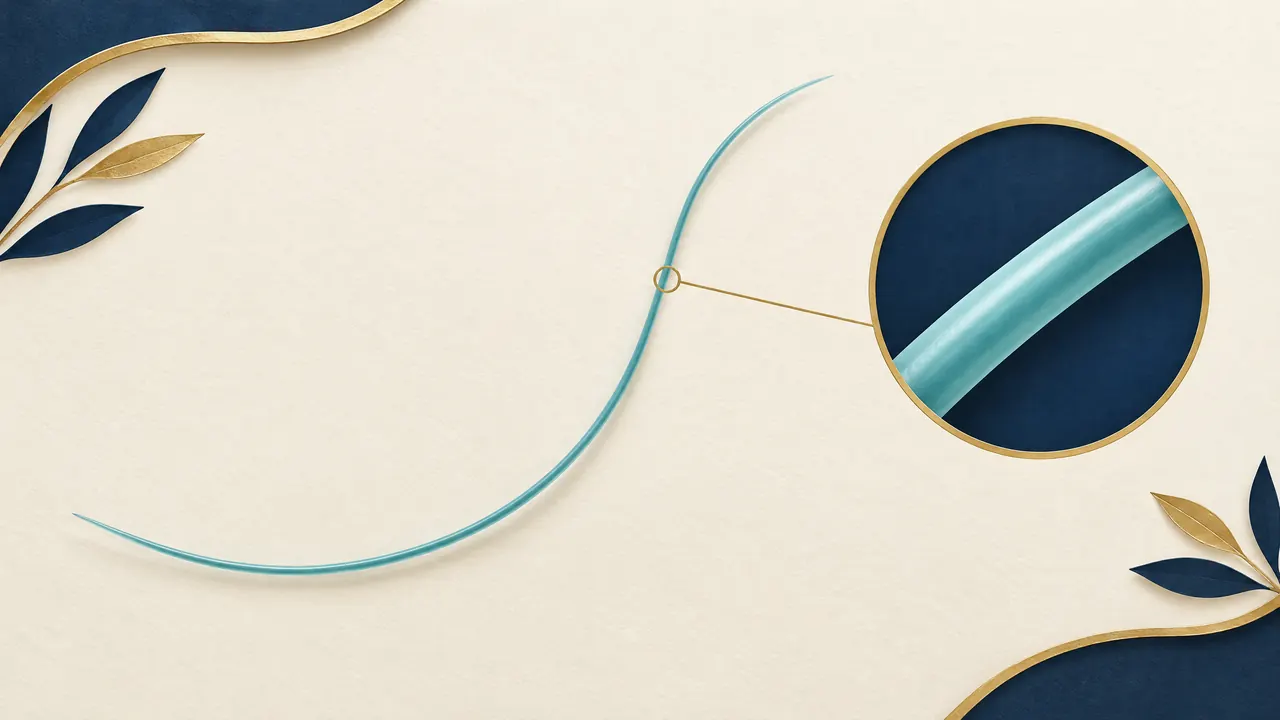
The thread material used for this service is PDO, short for polydioxanone. That is the material fact visitors can use when asking about the service. It is sensible to ask questions that matter to your visit, but a material name by itself does not describe a complete consultation or a personal arrangement. No material brand, packaging, product image, or claimed timeline is needed to understand the core scope of this service.
The phrase tcm thread embedding is a helpful search term because it connects this TCM service to the language people may encounter in articles and conversations. It is still important to read material terms carefully. “Absorbable” is a category word, not a substitute for the practitioner’s assessment. The absorbable medical threads page gives a plain-language material overview for readers who want to understand that category before asking appointment questions.
PDO is the confirmed material for tcm thread embedding
For this tcm thread embedding service, PDO is the material used. The service is not described through a particular commercial product, and it is not helpful to infer product specifications from a study, an aesthetic website, or a thread seen in a different procedure. A visitor who has a material-related question should bring it to the consultation alongside relevant health history, so it can be considered in the context of the intended visit.
Research terminology can make this topic look more settled than it is. The separate catgut vs pdo thread guide is useful because published “catgut embedding” studies concern a different material from the PDO service described here. Keeping that distinction visible protects against turning one research label into a statement about another material or about an individual consultation.
Reading research without confusing materials or services
A 2015 systematic review of acupoint catgut embedding for obesity included 43 studies, but the authors described the studies’ methodological quality as poor and called for rigorous future trials. [S1] The review concerns catgut embedding, not the PDO material used for this service. It is useful background for understanding why a research headline should be read for its material, study design, and population before it is used to form expectations about a different service.
Research can inform better questions, such as what intervention was studied and how outcomes were measured. It does not replace a personal consultation, and a study category should not be turned into a package description. For visitors who want to compare the wording they have found online, the most practical step is to name the source and ask how its terminology relates to the PDO service offered here.
Weight management belongs in the wider health conversation
Many people seek acupoint embedding because they want a structured conversation about weight or a part of the body that concerns them. That is a reasonable place to start, but body weight is influenced by more than one appointment. Eating patterns, movement, sleep, work demands, health conditions, medicines, and past experiences can all matter. The consultation gives these realities a place in the discussion instead of reducing the visit to a single number.
For general public-health context, the U.S. National Institute of Diabetes and Digestive and Kidney Diseases describes healthy eating and regular physical activity as central parts of losing or maintaining weight. Its general guidance for healthy adults includes at least 150 minutes of moderate-intensity aerobic activity a week and muscle-strengthening activity on two or more days a week. [S4] These are broad guidelines, not a personal programme; visitors can discuss their own routine and health circumstances in person.
Full-body and local concerns can be described clearly
Full-body and local service options let a visitor explain the kind of concern they have, not select a guaranteed body change. Someone may be tracking general weight, while another person may want to talk about a particular area, comfort in clothing, or a change in routine. Clear language helps: say what you have noticed, how long it has mattered to you, and what else has changed. That is more useful than arriving with a narrow claim taken from a post or advertisement.
Readers comparing terminology can also look at thread embedding for weight loss, which focuses on how that common search phrase relates to a weight-management enquiry. If the main question is whether acupuncture and embedding are the same type of visit, the acupuncture vs acupoint embedding comparison provides a more focused explanation. Those pages help separate names and questions before an in-person conversation.

Safety conversations are part of an informed visit
Because this service involves a procedure, relevant health information needs to be shared before a session is considered. Tell the practitioner about current medicines, allergies, bleeding concerns, a relevant immune condition, active skin changes, pregnancy, recent childbirth, or prior reactions that worry you. If you have sudden, severe, or rapidly changing symptoms, seek appropriate medical care rather than trying to resolve them through an online service enquiry.
Public safety information about acupuncture provides helpful context for asking careful questions. NCCIH notes that complications can arise from nonsterile needles or improper delivery and describes infections and other serious injuries among possible adverse effects when acupuncture is not delivered properly. [S2] This source is about acupuncture generally, not a study of this PDO acupoint embedding service. Its practical message here is simple: choose an in-person, registered-practitioner consultation and share the health details that are relevant to you.
Questions that deserve a face-to-face answer
Some questions are best raised directly rather than guessed from a general page: whether a current medicine or health condition needs more discussion, whether a skin concern changes the timing of a visit, and what to do if you are worried about a symptom after a procedure. The practitioner can hear the details and direct the next step appropriately. This is particularly important where an answer could depend on information that does not fit into a short message.
The thread embedding safety assessment page is available for readers who want a fuller overview of the information commonly raised before a procedure. It complements, rather than replaces, a visit. Keeping a short written list of questions can help you cover what matters without turning your appointment into a search for generic answers.

Planning your acupoint embedding enquiry in Hong Kong
TCM Weight Lab accepts enquiries for this service through TCM Lab. There are two Hong Kong locations: Harmonia TCM, Room 03, 21/F, Lee Bo Time Centre, 50 Hoi Yuen Road, Kwun Tong; and Neuron Physio TCM, 1/F, 27 Ki Lung Street, Prince Edward. Ask the team which location is suitable and whether a preferred date is available. Customer service will advise on available appointment times rather than visitors assuming them from a location address.
When you contact the team, begin with the practical details: that you are asking about acupoint embedding, whether your concern is full-body or local, which location you prefer, and any consultation-language preference. You can also say that you have material, health-history, or scheduling questions. The chinese medicine clinic hong kong location page is useful if you are first deciding between the two clinics, while the book acupoint embedding hong kong page gathers the contact route for an appointment enquiry.
Ask practical questions before booking
A well-prepared enquiry is brief and specific. Ask about current availability, the location you would like to attend, what records may help the consultation, and how to raise a health or material question. If you are considering a particular visit pattern or fee option, ask the team for current details rather than drawing conclusions from an unrelated article. This makes the message easier for customer service to route and leaves the clinical discussion for the in-person visit.
To ask about an acupoint embedding consultation, contact TCM Weight Lab on WhatsApp at +852 6940 5663. State your preferred location and the main question you want to discuss. The team can help with appointment availability and the practical arrangements for meeting practitioner Chan.

Your questions, answered
Frequently asked questions
Is acupoint embedding the same as a facial PDO thread lift?
No. This service is described as a TCM body and weight-management service with full-body and local options. It is not a facial thread-lift service.
What material is used for this TCM thread embedding service?
The material used is PDO, or polydioxanone. You can bring material-related questions to the in-person consultation, together with relevant health information.
What happens at a first acupoint embedding consultation?
The visit usually includes a conversation about relevant history, weight and lifestyle records, and the concern you want to discuss. A health declaration form is completed at the clinic, and practitioner Chan considers the information before discussing the appropriate arrangement.
Where can I ask about an acupoint embedding appointment?
Contact TCM Weight Lab through WhatsApp at +852 6940 5663. Ask about availability at the Kwun Tong or Prince Edward location and state your preferred consultation language if it matters to you.
References & further reading
Make your next step a conversation
Talk to the TCM Lab team
Contact TCM Weight Lab to ask about locations, appointment availability, and what to discuss at an in-person consultation.