

Thread embedding allergy: preparing for a face-to-face assessment
The word “allergy” can describe several experiences: a reaction to a medicine, food, latex, adhesive, skincare product, metal, or procedure. The most useful account identifies what was involved, what happened, how quickly it began, where it appeared, how long it lasted, and whether medical treatment was needed. A photo, discharge note, allergy-test result, or medicine list can be helpful when available.
An acupoint embedding assessment is the place to explain that history before treatment is considered. Practitioner Chan can hear the details, inspect relevant skin if appropriate, and ask about previous procedures, medicines, and current health concerns. Complete the clinic health declaration carefully, and mention a past reaction rather than relying on a short booking note. If you remember only part of an event, say what you do know rather than guessing at the cause.
How a thread embedding allergy history guides the conversation
A thread embedding allergy concern deserves the same clear timeline as any other health history. Describe the suspected trigger, body areas affected, symptoms, and what happened next. A limited rash after a product and a reaction involving throat swelling need very different follow-up questions. Bringing the original product name, if you have it, is more useful than guessing from memory.
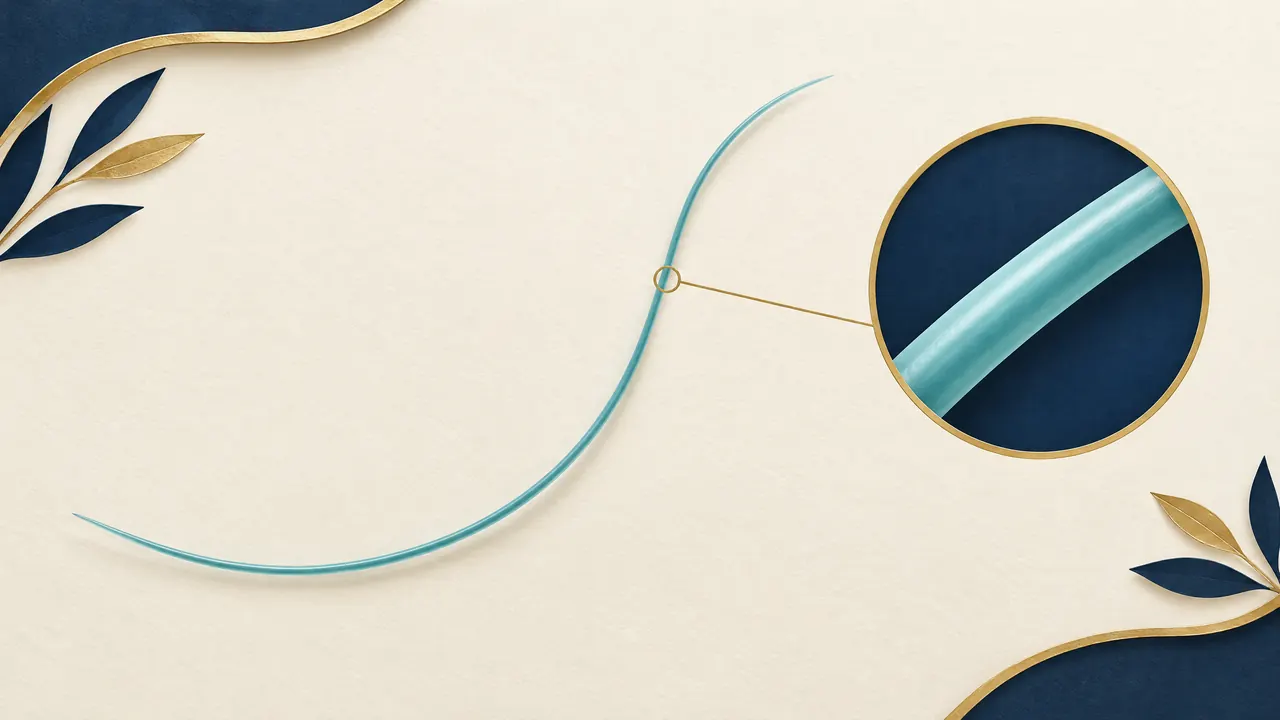
PDO material and the details behind an allergy question
For this service, the material used is PDO, short for polydioxanone. Knowing the material gives the consultation a precise starting point, but it does not explain every skin change or past reaction. Redness, itch, tenderness, a rash, or a lump may have different causes and need to be understood in their own timing and clinical context. Separate what you observed from what you think caused it.
People sometimes arrive with information about catgut, facial threads, or products seen online. Those are not interchangeable with the service discussion here. The page on absorbable medical threads can clarify general material language, while your consultation can focus on the PDO information relevant to TCM Weight Lab.
If you previously had a reaction after a medical procedure, list the procedure, approximate date, body site, and any treatment received. Include allergies recorded by a hospital or clinician, and mention medicines you take regularly. Do not stop or change prescribed medicine on your own before an appointment.
Making material questions specific
Useful questions are direct: “The service uses PDO; is my recorded reaction relevant?” “Could you review this photograph of my old scar?” or “I reacted to a dressing before—what details should I bring?” This keeps the focus on your history and the actual material used.

Thread embedding keloid scars and individual skin history
Keloids are not simply ordinary marks that take longer to fade. The NHS describes a keloid as a raised scar that can keep growing beyond the original wound; it may appear weeks to years after skin damage and can itch or hurt while growing [S1]. People who have had a keloid before should make that history central to the consultation. Share where it occurred, what caused the original injury or procedure, whether it grew beyond the original area, and whether it was assessed or treated.
The phrase thread embedding keloid scars brings together two issues: a history of keloid formation and concern about a treatment area. The key question is how your own scars have behaved over time, where they occurred, and what clinicians have previously told you. Keloids can develop after many kinds of skin injury, so a past scar history is meaningful information [S1].
Raised scars are not all identical. A scar that stays within the original wound area may be described differently from one that extends beyond it. If you have been told you have a hypertrophic scar, keloid, pigment change, or another condition, use the diagnosis you were given and bring any records.
Why the location and history of each scar matters
A scar on an earlobe after piercing, a scar after surgery, and a mark after acne may each have a different story. Record the location, the event that preceded it, how the area changed, and whether relatives have experienced keloids. If the scar is changing, dated photographs can show the sequence clearly.

Scar after thread embedding: observe changes rather than guessing
A scar after thread embedding deserves a clear description. Note whether the area is flat or raised, whether its colour or size has changed, and whether there is itch, tenderness, warmth, fluid, or pain. Give the date of treatment and the date each change was first noticed. A calm record gives a clinician a better sense of whether the appearance is stable, improving, or progressing.
Do not assume every visible change is a keloid, an allergy, or a routine part of healing. A scar is a longer-term skin change, whereas a reaction can be immediate or later; infection, irritation, bruising, and other concerns can overlap in appearance. The broader acupoint embedding side effects guide explains other treatment-related questions that may need discussion.
Facial thread-lift reports are easy to misapply. Facial lifting has a different purpose and context from body acupoint embedding for weight management. Images, recovery stories, and complication lists from facial procedures therefore do not predict what will happen at a body treatment site.
When a scar after thread embedding needs prompt clinical attention
Contact the treating team or an appropriate clinician promptly if a treated area becomes increasingly red, hot, painful, swollen, or starts to drain, especially if you feel feverish or unwell. These features are warning signs in general wound-infection guidance [S2]. They do not identify the cause by themselves, but they are a reason not to wait for a scar to “declare itself.”

Know the symptoms that need urgent help
Trouble breathing, wheezing, throat tightness or swelling, difficulty swallowing, chest tightness, fainting, or widespread hives with other symptoms may indicate anaphylaxis and need emergency medical attention. The American Academy of Allergy, Asthma & Immunology notes that anaphylaxis can affect more than one part of the body and needs immediate treatment [S3]. Its symptoms typically start within 5 to 30 minutes of contact with an allergen, although they can sometimes appear later; report the timing to emergency clinicians [S3]. Seek emergency help straight away if these symptoms occur after exposure to something you may be allergic to.
For skin changes without those emergency features, prompt clinical contact still matters when redness spreads, pain increases, the site feels hot, drainage appears, or fever and feeling unwell develop. MedlinePlus lists redness, pain, warmth, pus or drainage, fever, and chills among signs warranting clinical contact for a surgical wound [S2]. The causes and procedures differ, but a worsening skin problem needs timely professional assessment rather than an online guess.
Take a photograph if doing so does not delay care, and note when symptoms began, what was used or done beforehand, and any medication already taken. Do not squeeze, cut, try to remove material, or apply a new product to a changing area. The dedicated thread embedding infection signs page can help organise non-emergency questions after appropriate care is sought.
The difference between urgent and routine follow-up
A stable old scar can usually be raised in a planned consultation. Sudden breathing symptoms, swelling of the throat or face, collapse, or rapidly escalating illness are different: seek emergency medical help first. Increasing local pain, heat, drainage, or a spreading red area merit prompt clinical contact.

Bring a clear history to your consultation
Good preparation does not mean diagnosing yourself. An earlier treatment record, photographs of a scar at different stages, and the names of prescribed medicines can make the discussion more specific. An appointment is also the place to mention a current skin problem, recent procedure, or worry about an old reaction. The thread embedding safety assessment page offers further context on safety questions to raise in person.
Use the table as a short prompt, not as a test. If you do not know an answer, leave it blank and say so. Dates can be approximate. If your concern is a recent change after treatment, include what has changed since the last time the area looked normal.
A short record that makes the discussion easier
An organised history supports a more useful conversation about allergies, keloids, and scars. It can also help you decide which question belongs to the treating practitioner, another clinician, or emergency care. Keep the record factual and bring it with you rather than relying on a recollection made under pressure.
| Bring or note | Useful detail | Why it helps |
|---|---|---|
| Previous reaction | Suspected trigger, timing, symptoms, care received | Clarifies the event rather than relying on a label |
| Scar history | Body site, original injury or procedure, how the scar changed | Shows the pattern of prior skin healing |
| Photographs or records | Dated images, clinic letters, allergy results if available | Helps describe changes over time |
| Current health information | Prescribed medicines, active skin concerns, recent procedures | Gives relevant context for the face-to-face discussion |
| Questions | What worries you most and what you want clarified | Keeps the conversation focused on your decision |

Use follow-up questions to make decisions with confidence
A history of allergy or scarring gives the consultation its starting point. Ask how your history will be reviewed, which current symptoms need attention first, and what information would be helpful before a later visit. If you have already had treatment, ask whom to contact about a changing area and share the time course clearly. The thread embedding aftercare page addresses practical follow-up topics, while this page focuses on allergy and scar history.
TCM Weight Lab provides full-body and local acupoint embedding for weight-management enquiries at its Hong Kong clinics. Before arranging a visit, contact the team with the practical details of your allergy or scarring concern so that a face-to-face consultation can be planned appropriately. You can also read the acupoint embedding assessment information before attending.
Start with the concern that matters most to you
If the worry is an old keloid, lead with its history. If it is a new painful or draining area, lead with the change and seek clinical advice promptly. If it is a documented allergy, bring the record and explain the reaction in sequence. Clear communication is about making sure the most important safety information is heard early.
Your questions, answered
Frequently asked questions
I had a rash from an adhesive before. Should I mention it?
Yes. Tell the team what product was used if you know it, where the rash appeared, how quickly it started, how long it lasted, and whether you needed medical care. Bring a photo or record if available. Specific details are more useful than simply saying that your skin is sensitive.
I have had keloids before. What should I bring to a consultation?
Bring or note the location of each keloid, what caused the original skin injury, how it changed over time, and any treatment or diagnosis you received. Dated photographs and clinic letters can help explain your history clearly.
What should I do if an area becomes red, hot, painful, or starts draining after treatment?
Contact the treating team or an appropriate clinician promptly, especially if the symptoms are worsening or you feel feverish or unwell. Seek emergency medical help immediately for breathing difficulty, throat or facial swelling, fainting, or widespread hives with other symptoms.
References & further reading
Make your next step a conversation
Talk to the TCM Lab team
Send TCM Weight Lab a message to arrange a face-to-face conversation about an allergy or scarring history. Bring any relevant treatment details to the consultation.