
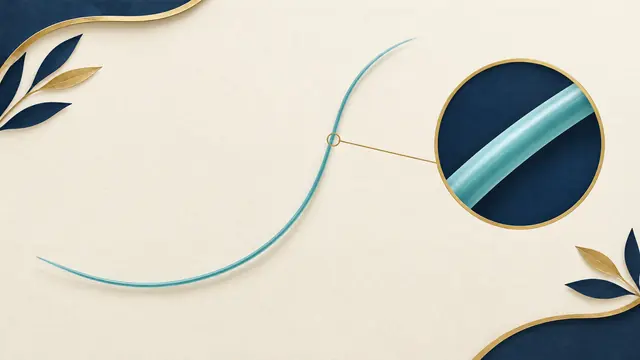
What polydioxanone thread embedding describes
Polydioxanone thread embedding brings together two pieces of information. Polydioxanone, often shortened to PDO, is the thread material. Embedding describes an acupuncture-based clinical approach using thread. People searching this phrase may be looking for a material explanation, a service description, or research. These are related questions, but each needs its own answer.
For weight-management enquiries, start with the narrow meaning: the phrase identifies the material being discussed. It can then lead to more useful questions about the service, your health history, and the wider factors affecting weight, such as eating patterns, activity, sleep, medicines, health conditions, and stress.
The distinction also helps when comparing online information. A product description may foreground a thread type, while a study may focus on a defined condition and outcome. A clinic enquiry is practical: what is the service, who provides it, and what should be discussed before a visit? The service overview for acupoint embedding explains the wider terminology used for this kind of enquiry.
Polydioxanone thread embedding is a material-and-method phrase
The phrase is a useful label rather than a full clinical explanation. It can show that an article or service is discussing PDO rather than another thread material. Keep that material detail alongside the actual question you want to bring to a practitioner, whether it concerns research, weight-management goals, or the treatment process.

PDO thread embedding acupuncture and material limits
PDO thread embedding acupuncture appears in research and clinical discussion, but the words do not make every study comparable. Papers may differ in the condition studied, participants, treatment schedule, comparator, material, and outcome. Some thread-embedding research concerns catgut, some concerns PDO, and some examines a health problem unrelated to body weight.
TCM Weight Lab uses PDO, or polydioxanone, for its acupoint-embedding service. This helps distinguish the service from older discussions of catgut, but it does not identify a commercial product. For a material-focused explanation, absorbable medical threads sets out the terminology without turning it into a product comparison.
The table below separates common terms from the questions they can answer. It can also help when you are preparing notes for a consultation or reading a paper.
How PDO thread embedding acupuncture language changes across sources
Acupuncture, thread embedding, acupoint embedding, and PDO may appear together but serve different purposes. A research protocol describes a planned study; a service page describes what can be discussed in a visit; a materials page identifies composition. Matching the source to your question makes the information easier to use.
| Term or source | What it can clarify | What to ask next |
|---|---|---|
| PDO / polydioxanone | The confirmed thread composition used by the service | How is this material relevant to the service I am asking about? |
| Thread-embedding acupuncture | The treatment language used in some papers and clinical discussions | Which condition and outcome did this particular source study? |
| Weight-management enquiry | A person’s goals, history, and broader health context | What should I share at an in-person assessment? |
| Research article | The methods and limits of one defined investigation | Does its population and outcome match my question? |
| Clinic consultation | Whether the practitioner can discuss the service in light of disclosed information | What are the appropriate next steps for my situation? |

How to read research on polydioxanone thread embedding
A 2018 article in Trials was a protocol for a planned sham-controlled pilot study of polydioxanone thread embedding for non-specific chronic neck pain, rather than a completed weight-management trial. It planned 50 participants, weekly sessions over four weeks, and pain-related outcome measures. [S1] The design shows how investigators defined a PDO embedding intervention, but its topic is chronic neck pain.
This is why a study title alone is not enough. Chronic neck pain, abdominal obesity, general weight change, and a person’s eating or activity pattern are different questions. Read what was studied, in whom, against what comparison, for how long, and how the outcome was measured. Those details give a paper its real meaning.
For a weight-related evidence question, see clinical evidence for thread embedding weight loss. To understand service language first, thread embedding for weight loss explains the terms used in weight-management enquiries. Keeping materials, research, and personal goals distinct makes an in-person conversation clearer.
Why polydioxanone thread embedding research needs a close read
The 50-participant protocol focused on a particular pain condition, so it does not provide a weight-management outcome. [S1] Looking at participants, comparison groups, and outcomes helps readers use research accurately and bring a precise paper or question to an appointment.

TCM Weight Lab PDO embedding in an in-person service
At TCM Weight Lab, PDO embedding refers to the use of PDO thread material within the acupoint-embedding service. The service is provided by registered Chinese medicine practitioner Chan, Hong Kong registration number 010088. An in-person consultation gives the practitioner a chance to hear what prompted your enquiry, review relevant health information, and discuss the service with you.
The conversation can include your weight-management concerns, lifestyle patterns, and relevant medical information. Mention current medicines, past reactions or allergies, bleeding concerns, pregnancy or postpartum circumstances, skin concerns, and diagnoses or symptoms already being assessed elsewhere. Bringing this information makes the discussion more complete.
For a closer look at the conversation, see acupoint embedding assessment. The practitioner records each visit, and the team can arrange a consultation time through the contact channel. If you have a body-area concern, describe what you have noticed and what you hope to discuss.
TCM Weight Lab PDO embedding: putting your own question first
A useful consultation begins with the concern behind the search. You may want to understand PDO as a material, discuss a weight trend or routine, or raise a local body concern. Bringing recent health information and questions about the service gives practitioner Chan a fuller starting point.

Safety information belongs in the consultation
Safety deserves direct attention whenever a treatment involves the skin. The U.S. National Center for Complementary and Integrative Health says that acupuncture complications are relatively uncommon, but nonsterile needles and improper treatment delivery have been associated with serious adverse effects, including infection, punctured organs, and injury to the central nervous system. It notes that acupuncture needles regulated in the United States must be sterile and labelled for single use. [S2]
Seek timely medical care for chest pain, trouble breathing, fainting, a rapidly spreading rash, high fever, or severe and worsening pain. If a concern follows a treatment, contact an appropriate healthcare professional promptly. Acupoint embedding side effects provides focused information on questions people raise before or after an appointment.
At an in-person discussion, tell the practitioner about medicines, supplements, conditions affecting bleeding or immunity, past significant skin reactions, and new or changing symptoms. Share ongoing medical care as well, so the discussion is based on information that matters to you.
Questions that support a safe, useful visit
Ask how your history will be reviewed, which concerns should be raised before treatment, and who to contact after a visit. You can also ask how the service fits beside other care you receive. These practical questions keep the consultation clear and thorough.

Place the service within a broader weight-management plan
Weight management is easier to discuss when goals are concrete and daily life is visible. The National Institute of Diabetes and Digestive and Kidney Diseases describes a maintainable healthy eating pattern and regular physical activity as central to losing or maintaining weight. For healthy adults, it cites at least 150 minutes a week of moderate-intensity aerobic activity and muscle-strengthening activity on two or more days each week. [S3] People with health conditions can discuss safe activity with their healthcare professional.
You may wish to bring a simple record of meals, movement, sleep, work patterns, or weight changes if these feel relevant. The aim is to show the habits and barriers you want to discuss. Sustainable weight management habits offers general education on building routines that fit ordinary life.
A material-based enquiry and a lifestyle discussion can sit alongside each other. Polydioxanone identifies the thread used by the service; nutrition support, medical evaluation of unexpected weight changes, and care for other conditions remain important parts of a wider health plan.
Use the weight-management question to guide the appointment
Before booking, frame the reason for your visit in one or two sentences: perhaps a general weight-management concern, a changing routine, or a question about acupoint embedding within a wider plan. This gives the practitioner a clear starting point for the appointment.

Planning a consultation in Hong Kong
TCM Weight Lab offers acupoint embedding at Harmonia TCM in Kwun Tong and Neuron Physio TCM in Prince Edward. Consultation times are arranged with the team. The Chinese Medicine Council of Hong Kong is a statutory body established under the Chinese Medicine Ordinance and oversees the public regulation framework for Chinese medicine. [S4] Visitors can consult its public registration information when considering practitioner credentials.
When contacting the team, say that you are asking about PDO material and acupoint embedding for weight management. State your preferred consultation language and ask about the location and available time. To make an enquiry or arrange a time, use book acupoint embedding hong kong.
Bring the questions that matter most to you: what does PDO identify, what research is relevant to my concern, what should I disclose, and what ongoing support or medical care should remain part of my plan? These questions make polydioxanone thread embedding a useful starting point for a well-prepared visit.
Prepare a short, clear enquiry
A short message can include your preferred location, interest in an acupoint-embedding consultation, and a request to discuss PDO thread material. Save detailed personal health information for the appointment, where practitioner Chan can ask follow-up questions and you can explain what you hope to address.
Your questions, answered
Frequently asked questions
Does polydioxanone thread embedding tell me what result I will have?
Polydioxanone identifies the thread material. A discussion of results needs more than a material name: it depends on the question being asked, the relevant evidence, and the person’s health history and wider weight-management context. An in-person consultation is the place to discuss these together.
Is pdo thread embedding acupuncture the same as every thread-embedding study I find online?
No. Research papers can study different materials, health conditions, participant groups, treatment schedules, and outcomes. For example, a PDO study protocol on chronic neck pain is not a weight-management study. Read the study’s actual condition and outcome before applying it to your question.
What should I mention before asking about TCM Weight Lab PDO embedding?
Tell the team what you want to discuss and bring relevant health history to the in-person consultation. Mention medicines, important diagnoses, bleeding or immune concerns, allergies or significant skin reactions, and current care so the practitioner can understand the full context.
Where can I ask about an acupoint-embedding consultation in Hong Kong?
Contact TCM Weight Lab at +852 6940 5663 or use the contact page to ask about Kwun Tong or Prince Edward and arrange a consultation time. You may also state your preferred consultation language when making the enquiry.
References & further reading
Make your next step a conversation
Talk to the TCM Lab team
Contact TCM Weight Lab to ask about PDO thread material, the available locations, and an in-person consultation time. Practitioner Chan can discuss your questions and review relevant information during the visit.