
Confirm the teaching address, not just the district
Ask for the building name, street address, floor and unit for your preferred date. Check the entrance and route from your MTR station. If step-free access matters, confirm the complete journey from the street to the workspace, not simply whether the building has a lift.
The provider's Cake Decorating Class in Kowloon page introduces buttercream, fondant and piping as course themes. Treat these as topics to discuss, not confirmation that every session includes them. The checked page does not give a usable street address for a particular booking, so request that separately before arranging travel. [S1]
Confirm arrival and pack-and-leave times. Your return journey may involve carrying a level cake box through a busy station, so consider whether the route suits the finished item.
Decide whether you want decorating or cake making
A decorating session can be useful without taking you through sponge preparation. If your goal is a smooth birthday cake finish, practising coating and piping on a prepared base may fit. If you want to make cakes from scratch at home, ask whether weighing, mixing, baking and cooling are part of your own work, rather than stages completed beforehand.
Explore the Cake Decorating Class resource with one specific learning goal in mind. For example, ask whether you can practise smoothing the side of a cake, receive feedback and make a second attempt. This is more informative than asking whether the course is simply suitable for beginners.
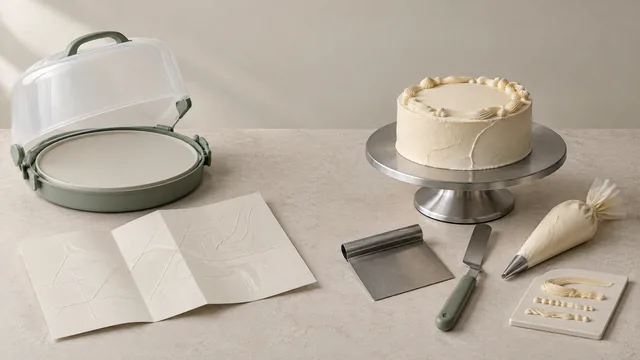
Name the decorating material too: buttercream, whipped cream and fondant involve different tasks. Ask which the session uses and what preparation is taught. A photograph of a covered cake does not mean you will prepare the covering yourself.
Use a stage-by-stage syllabus checklist
Request a short outline showing what you do, what is demonstrated and what arrives prepared. The table below helps compare replies without relying on course names. You do not need every stage in one session: give priority to the skill you cannot yet perform confidently.
For a piping-focused course, look for practice and feedback rather than a long list of decorations. For a coating-focused course, ask whether you handle the scraper and turntable yourself. A finished cake is an enjoyable result, but the task you repeat is the stronger guide to what you can learn.
| Stage | Ask before booking | Why the answer matters |
|---|---|---|
| Sponge preparation | Will I weigh and mix the batter, or use a prepared sponge? | Separates baking practice from decorating practice. |
| Assembly | Will I level, fill and stack my own cake? | Shows whether you practise building the base beneath the finish. |
| Coating | Will I apply a crumb coat and smooth the final covering? | Identifies hands-on surface work rather than a demonstration only. |
| Piping | Can I practise on a separate surface before decorating? | Provides room for corrections without relying on one attempt. |
| Feedback | Will someone check my technique while I work? | Clarifies how help is available during your practice. |
| Home practice | Are instructions provided, and which tools will I need? | Tests whether the skill fits your own kitchen. |
Compare Kwun Tong by content as well as convenience
The Baking Class in Kwun Tong page describes cake decorating alongside bread and French pastry themes. That breadth makes it worth checking the exact product and task list for the session you are considering; it does not establish that all these subjects are taught together. [S2]
Compare like with like. A bread session and a cake-finishing session cannot be judged only by which district is closer. First establish whether both options teach your chosen skill, then compare access, session timing and tools. If you want English instruction, confirm the language used for explanations, feedback and any written notes for that date.
Ask whether the Kowloon and Kwun Tong pages refer to the same teaching venue. Keep the confirmed address with your booking reply.
Check what a one-day format leaves you time to practise
The One Day Baking Class page presents a short-course route rather than a long-term commitment. Use it to explore a focused session, then request the current outline and schedule. The label alone does not establish how much time you spend decorating or how much preparation is done in advance. [S3]
Ask how demonstrations, personal practice and waiting stages fit together. A varied session may devote little time to your chosen technique. For smooth coating, an opportunity to correct the finish can be more valuable than another decorative style.
Clarify whether participants share a cake or each work on their own base. Shared preparation can suit a social outing, but someone seeking individual practice should establish their personal tasks. Also ask what finished item belongs to each participant and when it will be ready to carry away.
Include hygiene and the journey home in your questions
The Centre for Food Safety's Five Keys include choosing safe raw materials, keeping hands and utensils clean, separating raw and cooked food, cooking thoroughly and keeping food at a safe temperature. These provide useful general workshop habits, not evidence of any particular provider's certification. [S4]
If you have a food allergy, name it before booking and ask about the sponge, filling, covering and decorations separately. Ask how shared equipment and ingredient cross-contact are handled. An ingredient substitution should not be treated as confirmation that the whole session is suitable for your needs.
Before leaving, check that the box protects the decoration and ask for storage and transport instructions for your actual cake. Confirm whether refrigeration or additional cooling arrangements are needed. Avoid planning a long shopping stop on the assumption that a paper box keeps the cake under suitable conditions.
Send one enquiry that covers both venue and learning
Replace the bracketed details below with your preferences and send this through the provider’s current enquiry channel. Keep the reply to distinguish confirmed arrangements from general descriptions.
“I am considering a cake-decorating session on [preferred date]. My main goal is [smooth coating or a piping technique], and my experience is [level]. Please confirm the teaching address, entrance access, instruction language and expected pack-and-leave time. Which stages will I personally complete, which are demonstrations, and which components are prepared beforehand? Will I work on my own cake and have time for feedback? Please also confirm the current total fee and inclusions, tools or notes provided, take-home item, packing and storage instructions, and whether you can accommodate [specific dietary requirement].”
Choose once the reply resolves your essential questions. If it says only “all materials included”, follow up about your own practice tasks. The better fit is the course whose confirmed content advances your goal at a venue you can realistically reach and leave with the finished cake.
Questions you may be asking
Does a Kowloon course page confirm the venue for my date?
No. Ask for the teaching address attached to your chosen session, including the floor and unit. Check the entrance and access before booking; a district description is not enough to plan the full journey.
Will I learn to bake a sponge in a decorating class?
Not necessarily. A prepared sponge may be used so participants can concentrate on finishing. Ask whether you personally weigh, mix and bake, or instead begin with assembly or coating. Choose according to the stage you want to learn.
What should a beginner ask about piping practice?
Ask which piping technique is taught, whether you can practise separately before working on the cake, and how feedback is provided. The chance to correct your bag position and pressure matters more than a large advertised collection of designs.
Do I need to buy decorating tools before attending?
Confirm what the session supplies before buying anything. If you want to practise at home, request a short tool list and ask whether your existing equipment will work. Supplied workshop tools do not necessarily become take-home tools.
Can I use the class cake for a celebration afterwards?
Confirm your personal take-home item, packing readiness and storage instructions before promising it. Allow for the journey and any required refrigeration. If other people will eat it, check the ingredients and their dietary requirements rather than assuming the class cake suits everyone.