
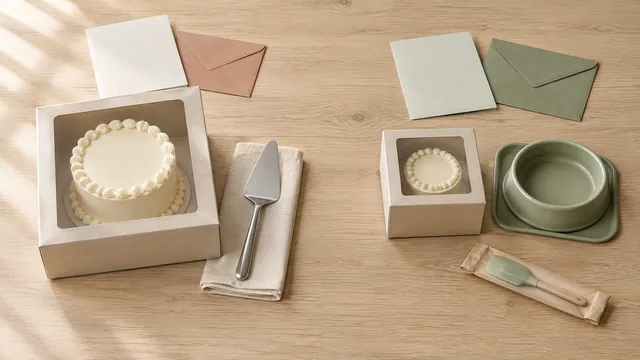
Start the human checklist with the guest's actual requirement
Write the recipient's requirement before choosing a flavour. Vegan means excluding animal-derived ingredients; it does not automatically mean gluten-free or free from an individual's allergens. A guest may require more than one exclusion. Ask the guest what they need rather than reducing their answer to 'a special cake'.
Use the Vegan Cake page as a starting point for an enquiry, then request details for the proposed cake. Check the sponge, filling, frosting and edible decorations separately. Ingredient information for one layer cannot answer for the whole cake, and a photograph cannot show how it was prepared.
Keep substitutions in the written brief. If a topping or filling changes, ask for updated ingredient information before accepting it. Where an allergy is involved, describe it separately from the vegan requirement and ask about shared ingredients and equipment. If the supplier cannot answer the relevant questions, choose another arrangement rather than treating silence as confirmation.
Give gluten-free preparation its own questions
A flour substitution is only part of a gluten-free enquiry. NHS guidance identifies wheat, barley and rye as sources of gluten and explains that cross-contamination can occur when gluten-free foods are prepared alongside gluten-containing foods or served with the same utensils. That makes preparation and serving questions relevant, especially for a guest with coeliac disease. [S2]
When comparing a Gluten Free Cake, ask how every component is checked and how the finished cake is protected during preparation, packing and cutting. Ask specifically about shared work surfaces and utensils instead of relying on a broad 'special diet' description.
Do not assume a gluten-free cake is vegan, or a vegan cake is gluten-free. If a guest needs both, the same cake must meet both requirements. Ask that guest whether the supplier's written explanation meets their needs before ordering. At the party, reserve a clean serving utensil and prevent ordinary cake crumbs from reaching their cake.
Build the pet checklist around the individual animal
The pet enquiry begins with different information: dog or cat, age, body weight, usual food and any prescribed dietary restrictions. Ask the veterinarian whether a celebratory treat is appropriate and what portion to consider. Do not use a human slice size or a photograph of a large cake to decide how much an animal should eat.
Explore Pet-Safe Birthday Cakes for presentation ideas, but request the full recipe for the specific option. The provider page describes pet cakes; its category wording is not confirmation that a particular cake suits your animal. Ask about ingredients in the base, coating and decorations, including any packaged products used within them. [S1]
Do not transfer human cake assumptions into this enquiry. ASPCA guidance lists chocolate, coffee and caffeine among foods to avoid feeding pets, warns about xylitol in products including baked goods, and identifies grapes and raisins as a risk for dogs. These examples explain why 'plant-based', 'sugar-free' or a fruit topping is not enough to establish pet suitability. They are not a complete recipe approval checklist. [S3]
Check a pet class as a learning activity, not recipe approval
An order brief asks what finished product will be supplied. A class brief also asks what you will learn and what happens to the food afterwards. Useful objectives include reading ingredient information, following the agreed recipe, avoiding unreviewed substitutions and packing the finished item correctly. Decorative skills alone do not answer feeding questions.
If you are considering a Pet Baking Class, request the proposed recipe before booking and ask which species it is intended for. Confirm whether the session produces a cake or treats, what tasks participants perform, and whether you receive written ingredient and storage information to take home.
If your animal has a restricted diet, have the proposed recipe reviewed before committing. Ask how the class handles a requested substitution; a change should not be improvised merely to finish the activity. You can also separate learning from feeding: attending a workshop need not mean serving its output to your pet.
Use this table to keep the two decisions separate
The same celebration can need both checklists, but answers belong to different recipients. Use this comparison when preparing enquiries and checking the response. A complete answer in one column does not fill a gap in the other.
| Decision | Human dietary cake | Pet cake |
|---|---|---|
| Intended eater | Identify guests and their separate dietary or allergy requirements. | Identify the species and individual animal's dietary restrictions. |
| Recipe review | Check every layer against all requested exclusions. | Obtain the complete recipe for veterinary review where needed. |
| Preparation questions | Ask about shared ingredients, surfaces and serving utensils. | Ask how the agreed recipe and substitutions are controlled. |
| Portion unit | Plan guest portions and confirm the supplier's serving estimate. | Use a veterinarian-advised portion, not a human slice estimate. |
| Order confirmation | Attach ingredient and handling answers to the correct guest cake. | Attach recipe and feeding questions to the correct animal cake. |
| Handover | Keep packaging identifiable and use the designated serving utensils. | Keep the package distinct and assign feeding to the pet's caregiver. |
Organise the handover before the party starts
Choose a named receiver for the cakes and a caregiver responsible for the pet's portion. Ask for clearly distinguishable packaging with the intended recipients identified. On receipt, match each item to its written confirmation, check packaging condition and obtain the applicable storage instructions. If an ingredient or substitution differs, pause serving while you clarify it.
The Hong Kong Centre for Food Safety's Five Keys include choosing safe raw materials, keeping hands and utensils clean, separating raw and cooked food, cooking thoroughly and maintaining safe temperatures. These are general food-handling principles, not proof that an order meets dietary or veterinary requirements. [S4] Follow the confirmed storage instructions rather than guessing a shelf life from appearance.
Keep the human serving area beyond pets' reach and the pet cake separately packed until its caregiver is ready. Do not return a utensil used for feeding an animal to the human cake table. Remove non-food decorations before serving, and make clear to guests that leftovers from their plates are not pet treats.
Send two briefs instead of one vague request
For the human cake, send: 'We need a cake for [occasion and date], serving [guest count]. The requirements are [vegan, gluten-free and separate allergies]. Please provide ingredients for each layer and decoration, explain relevant shared-equipment controls, and confirm packaging and storage instructions. Please ask before substituting any component.'
For the pet cake or workshop, send: 'This is for a [species] with [usual diet and relevant restrictions]. Please send the full proposed recipe, including coating and decorations, before we commit so we can discuss it with our veterinarian. Please confirm the finished format, take-home or collection arrangements, and written handling instructions.'
Request a quotation against each completed brief, identifying which cake or activity it covers and whether packaging or transport is included. Keep design preferences after the recipient requirements: a simpler presentation with clear answers is a better decision than an elaborate cake whose ingredients remain uncertain.
Questions you may be asking
Can a dog have the vegan cake bought for our guests?
Do not share it. A vegan label concerns animal-derived ingredients, not suitability for dogs. Obtain a separate pet recipe and check it against your animal's needs with the provider and veterinarian. Plant-based human cake can still contain ingredients inappropriate for pets. [S3]
Can I remove biscuit decorations to make a cake gluten-free?
Removing a decoration does not establish that the remaining cake meets the requirement. You still need information about the sponge, fillings and preparation. NHS guidance notes that shared preparation and serving utensils can introduce gluten cross-contamination. Request an appropriately confirmed option from the outset. [S2]
Does sugar-free wording answer the pet ingredient question?
No. Ask for the actual ingredients and sweeteners. ASPCA identifies xylitol, which can occur in baked goods, as dangerous for pets. If you suspect your pet has eaten something harmful, seek veterinary advice promptly rather than trying a home remedy. [S3]
What should we do if our dog and cat celebrate together?
Check each animal separately rather than assuming one recipe and one portion suit both. Give the provider their species and dietary details, and ask the veterinarian about suitability and portions. Keep each approved serving identifiable and let the relevant caregiver supervise feeding.
What if the pet workshop cannot share its recipe beforehand?
Do not book on the assumption that the finished food will suit your pet. Ask whether ingredient information can be provided before commitment. If it cannot, choose a different activity or treat the workshop as learning only, without planning to feed its output to the animal.